Cleaning leather bags can be a daunting task. Proper care is essential to maintain their beauty and longevity. Many people struggle with the question: "How to clean leather bags without damaging the material?" The answer lies in understanding the specific needs of leather.
Using harsh chemicals can ruin the texture and color of your leather bag. Instead, gentle and natural cleaning solutions are often the best approach. Start by testing any product on a small area. This will help you avoid unwanted mishaps. Regular maintenance, such as conditioning the leather, can also help prevent stains and damage.
Leather is not just an investment; it carries memories and stories. It deserves the right care. Pay attention to details, like avoiding excessive water exposure. Reflect on your cleaning methods regularly. Adapting your care routine can make all the difference in preserving your favorite leather pieces.
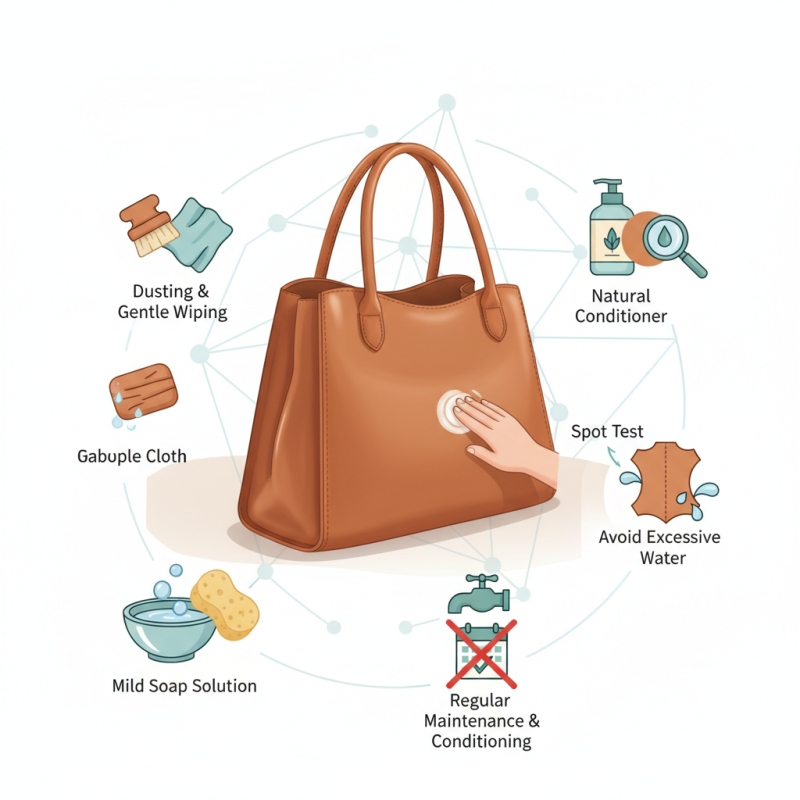
When it comes to leather bags, understanding the material is vital. Different types of leather offer various benefits and challenges. For example, full-grain leather is durable and develops a unique patina over time. However, it requires consistent care to maintain its appearance. In contrast, bonded leather may be more affordable but lacks longevity and can peel easily.
Care tips for cleaning leather bags depend on the type of leather. Use a soft, damp cloth for smooth leather to remove dirt. Avoid excessive moisture. For suede leather, a dedicated brush can help remove debris without damaging the surface. Always test any cleaning solution on a hidden area first to avoid discoloration.
Consider how your bag is used. If exposed to harsh environments, you may need extra protective measures. Applying a leather conditioner can help prevent cracks. Remember, neglecting your leather bag can lead to irreversible damage. Regular maintenance ensures your investment lasts for years. Keep an eye on wear and treat stains promptly to preserve the bag's beauty.
This chart illustrates the cleaning efficacy of various methods for different types of leather materials commonly used in bags. The data represents the effectiveness of cleaning techniques on a scale of 1 to 10, where 10 is the most effective.
Cleaning leather bags can be daunting, but having the right tools makes it manageable. First, gather essential supplies. Microfiber cloths are gentle and effective. They won't scratch the leather surface. A soft-bristled brush is useful for removing dirt. Make sure it's not too stiff. A simple bucket of lukewarm water is vital. It allows you to dampen the cloth without soaking the leather.
Consider using pH-balanced leather cleaners. They remove stains safely. Avoid harsh chemicals; they can damage the leather's natural oils. When cleaning, use light pressure. Excess scrubbing can harm the material. Even gentle cleaning can reveal minor scuffs. It's part of the process. After cleaning, a leather conditioner is essential for maintaining softness and flexibility.
Think about storage as well. A breathable dust bag can prevent dust accumulation. Keep bags away from direct sunlight to avoid fading. Reflect on your cleaning habits. Regular maintenance is crucial. It prolongs the life of your leather bag. Each cleaning session can uncover new areas needing attention. Embrace this awareness and keep your bag looking its best.
| Cleaning Tool/Supply | Description | Safety Features | Best Use Case |
|---|---|---|---|
| Soft Cloth | Microfiber or cotton cloth for gentle cleaning. | Non-abrasive, streak-free. | Wiping off surface dirt and dust. |
| Leather Cleaner | Specially formulated cleaner for leather. | pH neutral, alcohol-free. | Deep cleaning without damaging leather. |
| Leather Conditioner | Moisturizing treatment to prevent cracking. | Non-toxic, water-based. | Maintaining suppleness and shine. |
| Soft Brush | Bristled brush for dust removal. | Gentle bristles, no scratching. | Cleaning textured surfaces. |
| Stain Remover | Targeted remover for common stains. | Safe for most leather types. | Removing difficult stains. |
Cleaning leather bags can be tricky, especially in 2026. Different leather types require specific care. Understanding these differences is essential. Start by identifying your leather type: full-grain, top-grain, or suede. Each has unique properties that determine how to clean it.
For full-grain leather, a damp cloth works best for surface cleaning. Gently wipe to remove dirt. Avoid soaking the leather. Use a dedicated leather conditioner afterward to maintain its suppleness. Top-grain leather, being more durable, can handle a mild soap solution. Mix soap with water, dip a cloth, and wipe gently. Rinse the cloth and go over the area to remove soap residue.
Suede needs a different approach. A soft brush is your best friend. Always brush in one direction to avoid damaging the nap. Stains on suede might require a special suede eraser. This method can be a little hit or miss, so test on a hidden area first. Always remember to let your bags air dry. It’s better to take your time than rush and damage your beloved accessory. Cleaning leather is an art that demands patience.
Cleaning leather bags can seem straightforward, yet many make critical mistakes. A recent industry report states that improper cleaning procedures can lead to irreversible damage. Many users opt for household cleaners, assuming they are safe. However, these products often contain harsh chemicals that strip the leather of its natural oils. Over time, this can result in cracking and discoloration.
Another common error is using excessive water. Leather is porous. Over-saturating it can lead to mold growth and stains. It's advisable to use a barely damp cloth instead. Many people also forget to test any cleaning solution on a small, hidden area first. This simple step can prevent larger issues down the line.
Lastly, neglecting to condition leather after cleaning can be detrimental. A proper conditioning product restores moisture and maintains flexibility. According to a survey conducted by leather care experts, over 60% of leather bag owners skip this vital step. They assume cleaning alone suffices, which is a misconception. Understanding these pitfalls will go a long way in preserving the beauty and longevity of your leather bags.
Maintaining leather bags requires consistent care beyond cleaning. Proper protection can extend the bag's life significantly. Regular conditioning is essential. It helps to prevent cracks and keeps the leather supple. Use a high-quality leather conditioner every few months.
Environmental factors can affect your leather bag. Sunlight and moisture can cause fading and warping. Store your bag in a cool, dry place away from direct sunlight. It’s wise to keep it in a dust bag when not in use. Periodically check for any signs of damage, like small scratches or scuffs. Early detection can make a difference.
Cleaning leather can sometimes be a daunting task. But using gentle methods is key. Test any cleaning product on a small area first. If it works well, proceed cautiously. Be aware that not all leather responds the same way. Patience is crucial here. Over time, you'll develop a routine that suits your bag's specific needs.
: Many use household cleaners, thinking they are safe. These can strip natural oils from the leather.
It's best to use a barely damp cloth. Excessive water can cause mold and stains.
Testing on a small, hidden area first prevents potential damage to the entire bag.
Yes, many skip conditioning after cleaning. This can lead to dryness and cracking.
Conditioning every few months is recommended to keep the leather supple and prevent cracks.
Store them in a cool, dry place, away from direct sunlight. Use a dust bag when not in use.
Sunlight and moisture can cause fading and warping, affecting the leather’s appearance.
Always test any cleaning product on a small area first to see how the leather reacts.
Early detection is crucial. Check for damage regularly to address issues promptly.
Be patient and observe how your bag responds to different cleaning methods over time.
The "Ultimate Guide to Clean Leather Bags Safely in 2026" provides essential insights into maintaining leather bags while ensuring the material's longevity. It begins with an understanding of different types of leather materials, which is crucial for determining the appropriate cleaning methods. The guide offers a detailed list of tools and supplies necessary for safe leather cleaning, emphasizing how to clean leather bags without damaging the material. Step-by-step cleaning procedures tailored to various leather types are outlined, alongside common mistakes to avoid during the cleaning process.
Additionally, the article highlights tips for maintaining and protecting leather bags after cleaning, ensuring that their appearance and durability are preserved over time. By following these guidelines, readers can keep their leather bags in excellent condition while extending their lifespan.

Minyan Bag