Leather bags collect memories as easily as they collect stains. A coffee splash may darken the corner, while denim can leave a blue shadow along the back panel. Learning how to remove stains from leather bags effectively requires patience, accurate material identification, and restraint. Smooth leather, suede, nubuck, and patent leather respond differently to moisture and cleaning products.
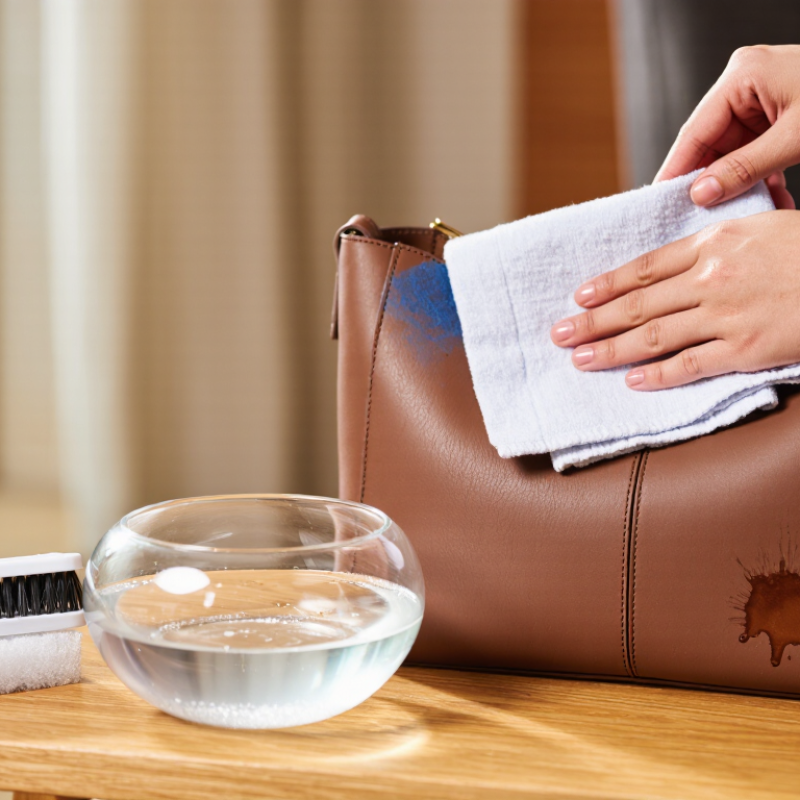
David Mesquita, a respected leather-care expert and owner of The Leather Spa, advises, “The biggest mistake people make is using too much product.” That warning matters. Begin by removing loose dirt with a soft, dry cloth. Blot fresh liquid gently. Do not rub. Rubbing can push the stain deeper and spread its edges. Always test a cleaner on a hidden area first, such as beneath the flap or inside a pocket. A faint color change is a clear stop sign.
Small steps matter.
This guide will explain practical methods for ink, grease, water marks, and everyday grime. It will also show when home treatment becomes too risky. Avoid hairdryers, harsh alcohol, bleach, and rough brushes. They may create cracks, faded patches, or permanent texture changes. Conditioning can restore softness, but too much conditioner may leave the surface greasy. That is an easy mistake to make. I have found that cautious cleaning often looks slower, yet produces a better finish. Still, no method guarantees complete removal. Some stains become part of the leather’s history, and accepting that possibility is part of caring for a valuable bag.
Leather is not one uniform material. Aniline leather has little protective coating, so it absorbs oil and water quickly. Semi-aniline leather has light pigment and offers moderate resistance. Pigmented leather has a stronger surface layer, but aggressive solvents can crack it. Suede and nubuck have raised fibers; liquid cleaners may flatten or darken them. Patent leather needs separate care because its glossy film can turn cloudy.
Leather Naturally’s 2022 sustainability report records more than 1.4 billion hides and skins entering leather production annually. FAO’s 2023 Statistical Yearbook reports global meat production at about 361 million tonnes in 2022. These figures explain leather’s wide variation, not one universal cleaning method. Check the care label, then test a hidden seam. Always.
For a fresh water mark on pigmented leather, press gently with a dry, white cloth. Do not rub. For oil, place absorbent powder over the spot briefly, then remove it carefully. Aniline leather usually needs a qualified leather cleaner, especially after ink or grease appears. Suede and nubuck require a dry brush and a specialist suede product. Household detergent, alcohol, and heated air can leave rings, stiffness, or permanent color loss. The uncomfortable lesson is simple: removing more product does not mean removing more stain. Even careful testing can fail on aged or previously coated leather, so a small professional cleaning fee may prevent a costly repair.
| Leather Type | Surface Characteristics | Suitable for | Recommended Stain-Removal Method | Products or Actions to Avoid | Professional Cleaning Advice |
|---|---|---|---|---|---|
| Protected or Pigmented Leather | Has a durable coated finish that helps resist moisture and everyday marks. | Light surface dirt, fresh water spots, and minor food marks. | Remove loose dust with a soft cloth. Blot fresh stains with a clean, dry cloth, then gently wipe with a slightly damp microfiber cloth. Use a leather cleaner labeled for coated leather if needed. | Do not scrub aggressively, soak the bag, or use household detergents, bleach, alcohol, or abrasive sponges. | Seek professional help for ink, dye transfer, deep grease, or stains that have penetrated the finish. |
| Aniline Leather | Very natural appearance with visible grain; little or no protective surface coating. | Only gentle dry dusting and immediate blotting of fresh liquid spills. | Blot immediately with an absorbent, lint-free cloth. Let the area air-dry naturally. Apply a conditioner only if it is specifically formulated for aniline leather and approved by the care instructions. | Avoid water-based cleaning, strong leather cleaners, oils, waxes, heat, and rubbing, as these can darken or permanently mark the leather. | Professional treatment is recommended for oil, ink, dye transfer, and large or set-in stains. |
| Semi-Aniline Leather | Has a light protective coating while retaining some natural grain and color variation. | Light dirt, fresh drink splashes, and minor surface marks. | Blot liquids quickly, wipe gently with a barely damp cloth, and use a compatible leather cleaner after testing it on a hidden area. | Avoid excessive moisture, household soap, solvents, and repeated cleaning of the same spot. | Use a leather specialist for stubborn grease, ink, color transfer, or noticeable discoloration. |
| Suede | Napped surface with soft fibers that can flatten, darken, or develop water marks. | Dry dust, light surface dirt, and carefully treated minor marks. | Allow wet stains to dry naturally. Brush gently with a suede brush, following the nap. For small marks, use a suede eraser lightly and remove residue with the brush. | Do not use ordinary leather cream, excess water, oil, alcohol, or a hard-bristled brush. | Professional cleaning is safest for oil, ink, dye transfer, chewing gum, and extensive water staining. |
| Nubuck | Fine, short nap created from the outer side of the hide; more delicate than coated leather. | Dry dust and very small surface marks treated with nubuck-specific tools. | Use a nubuck brush or cleaning block gently. Blot fresh moisture without rubbing and allow the bag to dry away from direct heat. | Avoid standard leather conditioners, oily products, soaking, and vigorous brushing. | Consult a specialist for grease, ink, heavy dye transfer, or stains that alter the nap. |
| Patent Leather | Smooth, glossy surface covered by a high-shine coating. | Fingerprints, dust, and light surface smudges. | Wipe gently with a soft, slightly damp cloth and dry immediately with another clean cloth. Use only a patent-leather product when necessary. | Avoid acetone, nail-polish remover, alcohol, abrasive cleaners, and prolonged contact with colored materials. | Professional advice is recommended for dye transfer, scratches, peeling, or cloudiness in the coating. |
| Metallic or Printed Leather | Has a decorative foil, pigment, or printed layer that may be sensitive to friction and solvents. | Loose dust and very light surface marks. | Dust with a soft dry cloth. If permitted by the care instructions, use minimal moisture on a hidden test area before treating the mark. | Avoid rubbing, leather oils, alcohol, solvents, heat, and untested cleaning products that may remove the finish. | Professional cleaning is preferred for visible stains because the decorative layer may not be repairable after damage. |
Inspect its color, edge, texture, and location. Oil often forms a dark, spreading patch. Water may leave a pale ring. Ink usually looks sharp and concentrated. Makeup can feel waxy or powdery. These signs help, but they are not proof.
Gently lift excess oil with a dry, clean cloth. Do not rub the mark outward. Use light pressure. Rubbing can spread the dark patch across the leather.
No. Leather finishes differ in color, coating, and durability. A cleaner suitable for one surface may dull another. I once removed a stain but damaged the finish. That result still counts as a mistake.
Empty the bag completely. Remove loose dust with a soft, dry cloth. Inspect it under bright, natural light. Check the care label and photograph existing scratches or fading. Avoid treating leather that is cold, damp, or heavily worn.
Choose a hidden area beneath a flap or inside a seam. Put a tiny amount on a white cotton swab. Never pour cleaner directly onto the leather. Press gently, then let the spot dry completely.
Watch for darkening, stickiness, color transfer, cloudiness, roughness, or stiffness. Stop immediately if any sign appears. Do not continue testing the same product. Let it dry.
Apply the smallest practical amount. Move from the outer edge toward the center. Use controlled, gentle movements. Do not scrub. Blot with a clean cloth and air-dry naturally. Heat may create uneven marks.
Avoid adding random moisture to water rings. Extra water can enlarge the mark. Treat ink with special caution, especially on pale or coated leather. Alcohol-based methods may remove pigment or finish. A disappearing stain is not always a successful repair.
Seek help when the leather type or finish is uncertain. Professional advice is also safer after color transfer, roughness, or cloudy patches appear. Repeated home experiments can worsen a small mark. I should have stopped earlier once.
How to remove stains from leather bags effectively begins with understanding the type of leather and the nature of the stain. Smooth, suede, and coated leathers may require different care, so identify whether the mark is caused by oil, ink, water, dirt, or another substance before selecting a cleaning method. Empty the bag, remove loose dust with a soft cloth, and always test any cleaner on a hidden area first to check for color changes or damage.
Use gentle, controlled movements rather than scrubbing aggressively, applying only a small amount of suitable cleaner when necessary. Work from the outside of the stain toward the center to prevent spreading, and avoid excessive moisture or direct heat. After cleaning, allow the bag to dry naturally in a well-ventilated place. Once fully dry, apply an appropriate leather conditioner to restore softness, then store the bag in a cool, dry location and protect it from future stains, humidity, and prolonged sunlight.

 Minyan Bag