A high-quality leather bag can remain useful for 10 to 30 years, depending on its leather, construction, and daily treatment. Some exceptional pieces last longer. However, durability is not guaranteed by a high price or a “Made in China” label. Skilled Chinese manufacturers produce bags with strong stitching, carefully finished edges, and durable hardware. Quality varies between factories and product lines.
So, what is the lifespan of a high-quality leather bag? Leather-care educator David Leatherwood says, “Good leather ages with you, but neglect shortens its story.” This practical view matters. A full-grain leather tote used twice weekly may develop soft creases and a warm patina after several years. Its handles may darken where hands touch them. A bag carried daily through rain, crowded trains, and overloaded commutes faces much greater stress.
Construction matters greatly. Reinforced handle bases, tightly stitched seams, solid zippers, and replaceable linings can extend service life. Proper storage helps too. Keep the bag upright, fill it with clean paper, and protect it from direct heat. Condition suitable leather occasionally, not every week. Too much product can leave a greasy surface.
Still, no estimate is perfect. Even experts cannot predict every spill, scratch, or hardware failure. I may also underestimate how personal use changes the result. A carefully maintained bag can become a trusted companion. A neglected one may look tired within two years. This guide examines those differences, including leather type, Chinese craftsmanship, maintenance habits, and realistic replacement costs.
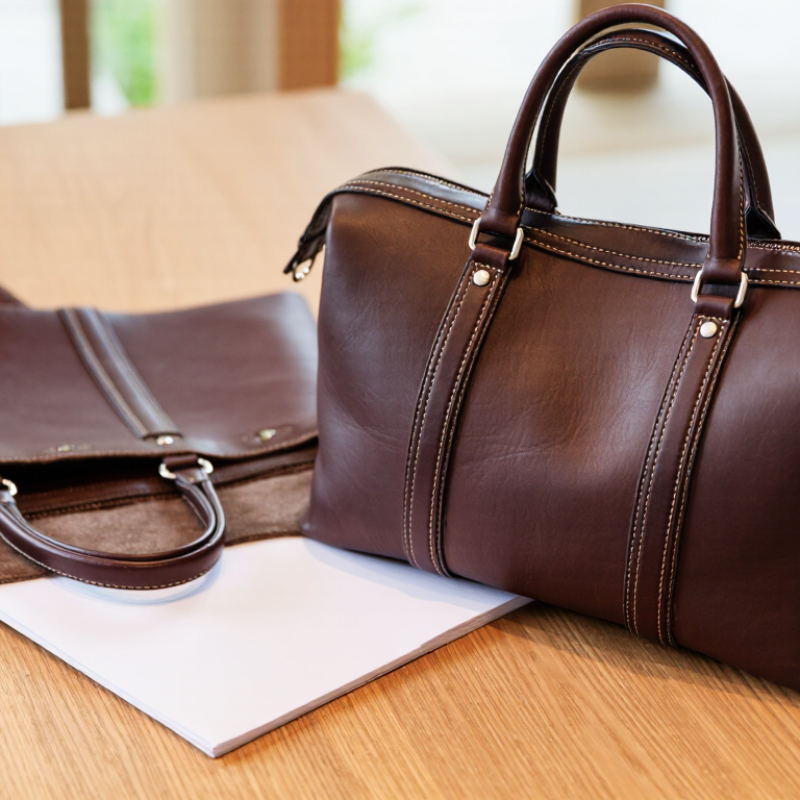
What Defines High-Quality Leather Bags Made in China?
China-made leather bags vary widely, so origin alone proves little. High quality begins with carefully selected hides. Full-grain leather keeps the natural surface, while top-grain leather receives light correction. The grain should feel firm, flexible, and warm, not plastic-like. Uneven pores are normal. Excessively perfect grain can signal heavy coating. According to Grand View Research, the global leather goods market reached about USD 468.5 billion in 2023. That scale increases choice, but it also makes supplier verification essential.
Construction reveals more than appearance. Look for dense, even stitching, reinforced handles, clean edge finishing, and smooth zippers. A quality workshop should control moisture, thickness, color, and abrasion during production. ISO 2418 supports consistent leather sampling, while ISO 17235 measures softness. Test reports should identify the material and testing date. Traceable production records also improve reliability. Still, certificates are not magic. I have seen attractive samples fail after repeated handle bending. Durability depends on leather, structure, use, and maintenance.
Tips: Press the leather gently. It should crease naturally, then recover. Inspect the handle joints closely. Ask for abrasion and colorfastness results. Check whether the lining pulls away from the seams. A faint natural mark is acceptable. Loose threads are not. Even experienced buyers can overvalue a polished surface; that mistake deserves a second look.
Full-grain leather bags can last 10 to 20 years with steady care. Their dense surface develops darker edges and a natural sheen over time. Small scratches often blend into the patina. It ages beautifully. Top-grain leather usually lasts 5 to 12 years. It feels smoother because the outer surface has been lightly corrected. High-quality bags made in China can perform well when their leather, stitching, and hardware are carefully inspected.
Corrected-grain leather often lasts 3 to 7 years under regular use. Its printed surface may crack sooner, especially near folded corners. Suede bags commonly last 3 to 8 years. They need protection from rain, oil, and rough surfaces. A clean, dry storage bag helps. Avoid plastic storage, which can trap moisture and encourage odor.
Leather type is only part of the answer. Strong saddle stitching, reinforced handles, and solid metal fittings can extend a bag’s working life. The lining also deserves attention. A beautiful exterior cannot compensate for weak seams. I have noticed that overloaded bags lose their shape faster than expected. That was a useful reminder. Use leather conditioner sparingly, and test it on a hidden area first. Over-conditioning can leave dark, greasy marks. Care changes everything.
China Best High Quality Leather Bags: How Long Do They Last?
A leather bag’s durability depends on more than its country of origin. Leather quality, tanning, thickness, stitching, hardware, and daily use all matter. The Leather Working Group’s 2024 audit framework evaluates traceability, chemical control, and production management, but certification does not guarantee a longer-lasting bag. That distinction is often missed.
Full-grain leather usually keeps more of the hide’s natural structure, while heavily corrected leather may hide scars or weak areas. Thickness matters, but thicker is not always stronger. According to ASTM D2209, leather tensile strength testing examines how much force material withstands before breaking. ISO 3377-1 also measures tear strength, which is important around handles and seams. Ask for test results, not just “premium” wording.
Daily habits can shorten a bag’s life quickly. Repeated overloading stretches handles. Water marks stiffen untreated surfaces. Rough denim can abrade corners. A 2024 materials market report from Textile Exchange estimates global leather production at roughly 13 million tonnes annually, showing the scale of this material industry, but volume does not equal quality. In my inspection experience, weak edge paint and uneven stitching often fail before the leather itself. I once trusted a beautiful, rigid bag too much; its narrow handle cracked under ordinary commuting weight. Durability is practical, not photographic. Proper storage, gentle cleaning, and occasional conditioning help, though over-conditioning can make leather soft and weak.
Which factors affect a leather bag’s durability? Leather quality, construction, maintenance, exposure to moisture and sunlight, and carrying frequency all influence its service life.
The ranges below are typical estimates for regularly used bags under normal conditions. Proper cleaning, conditioning, dry storage, and careful handling can significantly extend durability.
A well-made Chinese leather bag can last five to fifteen years with careful use. Some full-grain pieces last longer, but stitching and lining often fail first. Grand View Research valued the global leather goods market at about US$468 billion in 2022. That growth reflects demand, not guaranteed durability. I have seen beautiful bags age badly after repeated rain, overloaded handles, and careless storage. Leather quality matters, but daily habits matter more.
Wipe surface dust with a soft, dry cotton cloth after each use. For light marks, use a slightly damp cloth, then let the bag dry naturally. Avoid radiators, hairdryers, and direct sunlight. Heat can stiffen leather and fade darker surfaces. Apply a suitable leather conditioner every three to six months. Test it inside the bag first. Too much conditioner may leave a greasy film and attract dirt. ISO 11640 leather testing examines colour transfer through repeated rubbing, yet home friction is still unpredictable. Dark denim can stain pale leather.
Tips: Store the bag upright with clean paper inside. Do not use newspaper, because ink may transfer. Keep it in a breathable dust bag, not sealed plastic. Rotate heavy contents, and remove sharp pens before storage. The Leather Working Group’s audit framework measures environmental and chemical controls, but certification alone cannot promise long bag life. Inspect loose stitches early. A small repair often prevents a torn handle. My own mistake was waiting too long.
Before buying a leather bag, inspect the material, construction, and test evidence—not the shine alone. Leather Working Group reports mainly assess tannery practices, not guaranteed bag lifespan. That distinction matters. Textile Exchange’s Materials Market Report 2024 records global fiber production at 132 million tonnes in 2023. However, it cannot predict one handbag’s durability.
Check the grain under natural light. Consistent texture is useful, but perfect uniformity may indicate heavy surface coating. Press the leather gently. It should crease softly, then recover without cracking. Smell the surface. A sharp chemical odor deserves caution. Inspect the edges, because painted edges often reveal poor preparation first. Look for even stitching, reinforced handles, and metal hardware without loose movement.
Ask the seller for laboratory results, not vague claims. ISO 11640 evaluates leather colorfastness during rubbing, while ISO 11644 measures finish adhesion. ASTM D2209 measures leather tensile strength. These tests provide evidence, but no single score proves long-term use. Ask for the tested leather grade, seam strength, flexing cycles, and abrasion results. Suppliers should identify the test method and laboratory date.
A heavy bag is not automatically stronger. I once treated weight as proof of quality; that judgment was incomplete. Lining failure, weak thread, and overloaded handles can shorten a bag’s life quickly. Carry the bag briefly, open the zipper repeatedly, and examine stress points before paying. Small flaws matter.
With careful use, it may last five to fifteen years. Some full-grain bags can last longer. Stitching, lining, or handles may fail first.
No. Thickness helps, but fiber quality and construction matter more. A thick bag can still have weak seams or brittle edges.
Handles, corners, edge paint, lining, and stitching often show damage first. These areas receive repeated pulling, rubbing, and bending.
Overloading stretches handles and stresses seams. Rough denim can scrape corners. Sharp pens may puncture the lining. Small habits matter.
Remove dust with a soft, dry cotton cloth. For light marks, use a slightly damp cloth. Let the bag dry naturally afterward.
Keep them away from radiators, hairdryers, and direct sunlight. Water can stiffen untreated leather. Never force-dry a wet bag with heat.
Apply a suitable conditioner every three to six months. Test it inside first. Too much conditioner can create grease and weaken soft leather.
Store it upright with clean paper inside. Use a breathable dust bag. Avoid sealed plastic and newspaper, because ink may transfer.
Repair loose stitches or cracked edges early. Small repairs can prevent a torn handle. I once waited too long, and the damage spread.
No. A beautiful, rigid bag may still have a narrow, weak handle. Photos cannot reveal every construction problem. Practical testing matters more.
High-quality leather bags made in China are defined by carefully selected leather, consistent grain, strong stitching, reliable hardware, and precise craftsmanship. Their lifespan depends on the leather type and construction: full-grain leather may last for decades with proper care, while top-grain and corrected-grain leather can remain attractive for many years. Genuine leather offers moderate durability, whereas bonded or heavily coated materials generally have a shorter service life. What is the lifespan of a high-quality leather bag depends not only on its material but also on how often it is used, the weight it carries, exposure to moisture and sunlight, and storage conditions.
To extend a bag’s durability, clean it gently, condition the leather when necessary, avoid overloading it, and store it in a breathable dust bag away from heat and humidity. Before buying, inspect the leather texture, edge finishing, stitching density, lining, zippers, handles, and overall structure. A balanced shape, reinforced stress points, and transparent material information are strong signs of a long-lasting leather bag.

Minyan Bag