How to Tell If a Leather Bag Is High Quality?

Time:2026-05-03 Author:Madeline
0%

When you invest in a leather bag, knowing its quality is essential. Leather craftsmanship varies significantly. According to leather expert Michael G. Smith, “A high-quality leather bag will show an attention to detail that is hard to replicate.” This quote captures the essence of evaluating leather quality.

How to tell if a leather bag is made of high-quality leather involves careful inspection. Look for natural imperfections in the leather. Genuine leather often carries unique marks and textures. They reflect the animal's life and add character. Man-made materials may appear too uniform and lack depth.

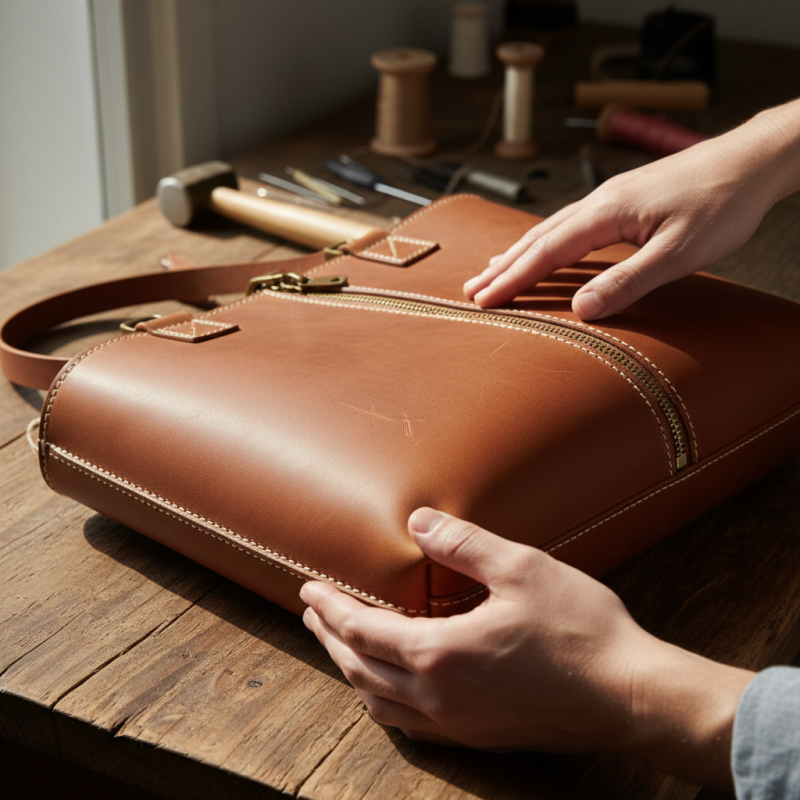
Quality bags also have robust stitching and strong hardware. Examine the seams; they should be tight and evenly spaced. A poorly stitched bag may seem appealing at first but will deteriorate quickly. High-quality leather bags often feel soft yet sturdy. They should age beautifully, developing a rich patina over time. However, beware of over-polished surfaces—they might conceal inferior materials. So, discernment is vital in your search for the perfect leather companion.
How to Tell If a Leather Bag Is High Quality?

Choosing the Right Leather: Full-Grain vs. Top-Grain Options

When selecting a leather bag, understanding the type of leather is crucial. Full-grain leather is often regarded as the highest quality. This type retains the natural texture and grain, showcasing the leather's inherent beauty. It develops a charming patina over time, enhancing its character. Full-grain leather is also more durable, making it an ideal choice for long-term use.

On the other hand, top-grain leather is slightly altered. It is sanded down to remove imperfections, resulting in a smoother finish. This can create an elegant appearance, but it compromises some durability. While top-grain bags may come at a lower price, they might not age as well. You’ll need to consider how often you plan to use the bag. The decision depends on your preferences and lifestyle.

Choosing between these options requires thoughtful consideration. Pay attention to the leather’s feel and smell; these details often signify quality. Higher-quality leather has a luxurious texture. However, imperfections can also indicate authenticity. A few scratches can mean the leather is genuine. Deciding what matters more to you—appearance or longevity—can guide your choice effectively.

Evaluating Stitching Quality: The Importance of Craftsmanship

When evaluating a leather bag, stitch quality is crucial. High-quality craftsmanship shows in the details. Look closely at how the stitches are formed. They should be even and closely spaced. Uneven or loose stitches can indicate poor craftsmanship. This can affect the bag's durability and overall appearance.

Tips for evaluating stitching quality:

  • Check for hidden seams. A well-crafted bag often has hidden stitches at stress points.
  • Inspect the thread used. Thick, strong threads typically indicate better quality.
  • Pay attention to the stitch count. Higher stitch counts usually mean increased durability.

Quality control takes time. It’s not uncommon to find minor imperfections in handmade bags. These could show the bag’s unique character. However, excessive flaws might signal a lack of attention to detail. Always trust your instincts when examining a bag. If it doesn’t feel right, keep looking. A good leather bag should feel solid and well-crafted, reflecting the skill of its makers.

Checking Hardware: Zippers, Buckles, and Other Attachments

When assessing the quality of a leather bag, the hardware deserves careful attention. High-quality zippers, buckles, and other attachments are crucial indicators. Research suggests that robust hardware can significantly enhance the lifespan of a leather bag. A study by the Leather Goods Industry Association shows that bags with high-quality fasteners can last up to 15 years longer.

Inspecting zippers is essential. High-quality zippers glide smoothly without catching. They should feel sturdy and secure when fully opened or closed. Additionally, metal or high-grade plastic zippers are advisable. Weak plastic zippers can break easily, leading to frustration and potential loss of contents.

Buckle quality cannot be overlooked either. A reliable buckle should have a solid feel and should not bend or warp under pressure. High-grade metal clasps often provide superior durability. These elements represent the craftsmanship behind a well-made leather bag. Checking the rivets and stitching is equally important. Loose or poorly fashioned hardware raises questions about overall quality. Invest time in evaluating these components; neglecting them could lead to future disappointments.

Quality Assessment of Leather Bag Hardware

Assessing the Leather's Feel and Flexibility for Durability

When assessing the quality of a leather bag, the feel and flexibility of the leather play crucial roles. High-quality leather often feels soft yet firm, providing a tactile sense of durability. According to the Leather Research Laboratory, premium leather should have a certain resilience, bouncing back when pressed. It should not easily crease or deteriorate with regular use, showcasing its capacity to withstand wear and tear.

Flexibility indicates how well the leather can adapt to various forms without losing its integrity. Reports from the Leather Trades Association show that top-grade leather has a pliable nature. It bends smoothly and doesn't exhibit stiffness or rigidity. An overly stiff leather may imply lower quality, lacking the essential oils that keep it supple.

A deeper inspection reveals more. Quality leather often develops a beautiful patina over time. However, not all bags age gracefully. Some may deteriorate, highlighting poor craftsmanship or inferior materials. Therefore, touch and flex are not just indicators—they guide buyers towards long-lasting value. Investing in a quality leather bag often means prioritizing durability, texture, and the ability to improve with age.

Understanding Care and Maintenance for Long-Lasting Quality

Caring for a leather bag is essential for preserving its quality. Regular maintenance can significantly extend the life of the bag. According to a report by the Leather Working Group, proper care can enhance the durability of leather products by up to 30%. Basic maintenance includes cleaning, conditioning, and applying protective sprays. Each of these steps plays a critical role in maintaining the bag’s appearance and functionality.

Cleaning your leather bag should be frequent but gentle. Use a soft cloth to wipe away dirt and dust. Avoid harsh chemicals, as they can damage the leather. Conditioning should be performed every few months, using an appropriate leather conditioner. This process replenishes the natural oils that leather can lose over time. Reports show that neglecting these steps can lead to dryness and cracking within just six months.

Weather also impacts leather quality. High humidity can lead to mold, while extreme dryness can cause stiffness. Storing leather bags in a breathable dust bag can mitigate these risks. Recognizing signs of wear early can help you take corrective action. While some wear is natural, excessive damage might require professional restoration. Always consider the long-term effects of neglecting care routines; your leather bag deserves more than just occasional attention.

FAQS

: What should I feel for when assessing leather quality?

: High-quality leather feels soft yet firm. It should bounce back when pressed, indicating durability.

How important is leather flexibility?

Flexibility shows how well leather adapts to shapes. Pliable leather is a sign of superior quality.

What happens to leather over time?

Quality leather develops a nice patina. However, not all bags age well; some may show deterioration.

How can I extend the life of my leather bag?

Regular care, like cleaning and conditioning, can enhance durability by up to 30%.

What is the best way to clean my leather bag?

Use a soft cloth to gently remove dirt. Avoid harsh chemicals that can harm the leather.

How often should I condition my leather?

Conditioning should be done every few months. This helps replenish natural oils.

What environmental factors affect leather?

High humidity can cause mold, and extreme dryness can lead to stiffness.

How should I store my leather bag?

Use a breathable dust bag to protect it from environmental damage.

What are signs of leather damage?

Signs include dryness, cracking, or excessive wear. Early detection helps in addressing issues.

Can neglecting leather care be harmful?

Yes, neglect can lead to significant damage over time. Regular attention is essential for longevity.

Conclusion

When considering how to tell if a leather bag is made of high-quality leather, several key factors come into play. Firstly, it's essential to choose the right type of leather, with full-grain and top-grain options being the most desirable for their durability and natural look. Evaluating the stitching quality is equally important, as meticulous craftsmanship can indicate a well-made bag that will withstand the test of time.

Additionally, checking the hardware components, such as zippers and buckles, is crucial, since high-quality materials enhance both functionality and aesthetics. Lastly, assessing the leather's feel and flexibility will provide insight into its durability and overall quality. Understanding proper care and maintenance is also vital for ensuring that the leather bag remains in excellent condition for years to come.

Madeline

Madeline

Madeline is a dedicated marketing professional with a wealth of expertise in our company's core offerings. With a keen understanding of the industry, she brings a unique perspective to her role, consistently delivering high-quality content that highlights the superior aspects of our products. As......