What is the future trend of leather bag design in 2026? As the leather goods market evolves, designers face changing consumer demands. A recent report by Grand View Research projects the global leather goods market to reach $500 billion by 2026, indicating a significant growth trajectory. This growth reflects a shifting focus towards sustainability and ethical production methods.
The future of leather bag design will likely prioritize eco-friendly materials and innovative production techniques. Brands are increasingly incorporating recycled materials, which offers consumers stylish options without compromising sustainability. In addition, personalized designs are becoming more prevalent, catering to individual preferences and unique tastes. This shift highlights the need for brands to adapt to a more conscious consumer base.
However, challenges remain. Navigating the balance between luxury and affordability is complex. As the market expands, competition intensifies. Designers must also consider the environmental impact of traditional leather production. This dual focus on style and responsibility will define how we view leather bags in 2026. The question remains: What is the future trend of leather bag design?
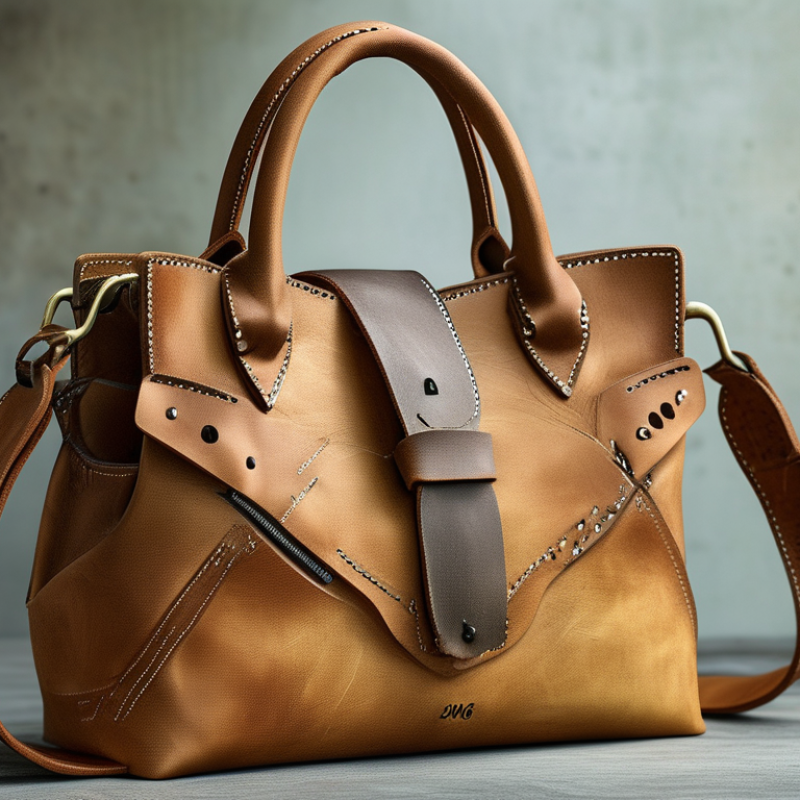
Future Materials in Leather Bag Design: Sustainability and Innovation
In 2026, leather bag design will increasingly focus on sustainability and innovation. Designers will explore new materials that mimic leather but are eco-friendly. This shift aims to reduce the environmental impact of traditional leather production. With advancements in technology, alternatives will become more visually appealing and durable. Consumers are becoming more eco-conscious, influencing designers to prioritize sustainable techniques.
Tips: When selecting a bag, consider its material and production process. Look for options that offer transparency in sourcing. This can help you make informed choices.
Another trend is the integration of multifunctional designs. Bags will blend style with utility. Features like modular compartments and convertible styles will gain popularity. Designers will push the boundaries of practicality while ensuring aesthetics. This approach allows bags to cater to modern lifestyles.
Lastly, embellishment will evolve. Expect to see unique textures and innovative patterns. However, balance is key. Too much design can overwhelm functionality. Reflect on your personal style and needs when choosing a leather bag.
Minimalist Aesthetics: The Rise of Clean Lines and Functional Designs
As we look toward 2026, minimalist aesthetics are shaping the future of leather bag design. The focus is on clean lines that convey simplicity and elegance. The idea is to strip away unnecessary elements. This approach creates pieces that feel modern yet timeless. The result is a bag that speaks through its form rather than embellishments.
Functionality plays a key role in these designs. Consumers now seek items that blend style and practicality. The bags are often lightweight and versatile, catering to various lifestyles. Many feature smart compartments for organization. People appreciate thoughtful designs that enhance their daily routines. However, this can sometimes lead to a lack of individuality. The challenge lies in balancing minimalism with personal expression.
As the trend evolves, not every design will resonate with everyone. Some may find such bags too plain. There is a risk of losing unique character in the pursuit of simplicity. This creates a space for exploration. Designers may need to rethink how to keep minimalism fresh and relatable. The quest for the perfect blend of form and function continues.
What is the future trend of leather bag design in 2026? - Minimalist Aesthetics: The Rise of Clean Lines and Functional Designs
| Design Element |
Trend Description |
Material Innovation |
Consumer Preference |
| Clean Lines |
Simplicity and elegance with minimal embellishments. |
Use of sustainable and eco-friendly leathers. |
Preference for timeless designs that last beyond trends. |
| Functional Compartments |
Integrated pockets and organizers for better utility. |
Advanced fabrics for durability and ease of care. |
Desire for versatile bags suitable for multiple occasions. |
| Neutral Color Palette |
Earthy tones and subtle shades dominating the market. |
Natural dyes and sustainable coloring processes. |
Consumers leaning towards versatile colors that match easily. |
| Personalization Options |
Customizable features to reflect personal style. |
Modular components for individualized designs. |
Higher interest in unique, one-of-a-kind products. |
Color Trends for 2026: Embracing Bold Hues and Natural Tones
As we look to 2026, the leather bag design landscape is poised for a transformation in color trends. According to recent reports from industry experts, consumers increasingly gravitate towards bold hues and natural tones. This shift reflects a desire for individuality and a deeper connection to nature. Vibrant colors like deep emerald and rich burgundy are expected to dominate the market, bringing a sense of energy and vitality to everyday accessories.
Simultaneously, the demand for earthy shades cannot be ignored. Shades like terracotta and moss green offer a grounded, calming presence. These colors resonate with the growing trend of sustainability. A study by a leading market research firm indicates that 65% of consumers prioritize eco-friendly materials when purchasing leather goods. This intersection of style and responsibility presents a unique challenge for designers. They must master the art of blending aesthetics with moral imperatives.
The art of incorporating these hues into leather bags involves experimentation and creativity. Designers must rethink traditional shapes and styles. Minimalism might clash with bold colors, prompting the need for balance. There is room for imperfection, which can elevate the overall artistry. As we anticipate these changes, the leather bag industry must stay agile and responsive to consumer insights. Embracing these color trends presents an exciting, yet challenging pathway ahead.
Tech Integration: Smart Features in Leather Bag Design
The future of leather bag design in 2026 points toward integrating smart features. Consumers are increasingly interested in bags that offer more than style and functionality. A recent report from the Global Smart Bag Market indicates a compound annual growth rate (CAGR) of over 15%. This suggests a strong demand for tech-enhanced accessories.
Smart features can include built-in charging ports, tracking systems, and even biometric locks. Integrated technology provides convenience and adds a level of personalization. For instance, a bag that can charge your devices while you’re on the go is not just a luxury; it's becoming essential.
Tip: When choosing a leather bag, look for models with durable materials and reliable technology. Remember, blending classic style with modern tech can enhance your daily routine.
However, challenges remain. Balancing technology with the traditional craftsmanship of leather is vital. Some consumers may feel that adding tech undermines the quality of craftsmanship and authenticity in leather goods. It’s important for designers to reflect on how to maintain the essence of leather while embracing innovation.
Future Trend of Leather Bag Design in 2026: Tech Integration
Cultural Influences: The Impact of Global Trends on Leather Fashion
The future of leather bag design in 2026 will be deeply influenced by cultural trends. Globalization is reshaping consumer preferences. Designers are increasingly drawing inspiration from diverse cultures. This blend often results in unique aesthetics. Expect bold colors and eclectic patterns that reflect a fusion of traditions.
Sustainability remains a significant focus. Consumers are becoming more conscious of their environmental impact. This awareness is driving demand for ethically sourced materials. Traditional methods may see a revival. Yet, there’s a challenge in balancing authenticity with modern needs.
Craftsmanship will continue to evolve. Artisans may collaborate globally to create hybrid styles. However, this can lead to questions about originality. Will the essence of a culture remain intact? The conversation surrounding cultural representation will intensify. Designers must navigate these complexities thoughtfully.
Conclusion
As we explore the question of "What is the future trend of leather bag design" in 2026, several key themes emerge. Firstly, sustainability and innovation are set to dominate the materials used, with an emphasis on eco-friendly options that meet consumers' growing environmental consciousness. A minimalist aesthetic with clean lines and functional designs will rise in popularity, prioritizing both style and practicality.
In addition to these aesthetics, color trends are expected to embrace bold hues alongside natural tones, reflecting a desire for individuality while still connecting to the earth. Tech integration will also play a significant role, with smart features being incorporated into leather bags, making them not only fashionable but also functional for modern lifestyles. Finally, the cultural influences from global trends will continuously shape leather fashion, ensuring that designs remain dynamic and relevant in an ever-changing world.

 Minyan Bag