When it comes to leather bags, the question often arises: what factors affect the durability of leather bags? Understanding this can help you make informed choices when purchasing or caring for these accessories. Leather is not just a material; it holds stories, memories, and styles. However, how long it lasts depends on various elements.
The quality of leather plays a significant role. Premium leather usually means greater durability. But, not all leather is created equal. Additionally, the construction method impacts longevity. Hand-stitched leather bags often endure better than machine-sewn ones. Yet, many overlook maintenance. Regular conditioning and proper storage can significantly enhance durability. A bag can quickly deteriorate if neglected or improperly cared for.
Environmental factors also matter. Humidity, temperature, and exposure to sunlight can wear down leather. Water damage is another common issue. Even small spills can lead to stains or warping. Reflecting on these factors can improve your decisions. By understanding the essential elements affecting leather bag durability, you can ensure that your investment stands the test of time.
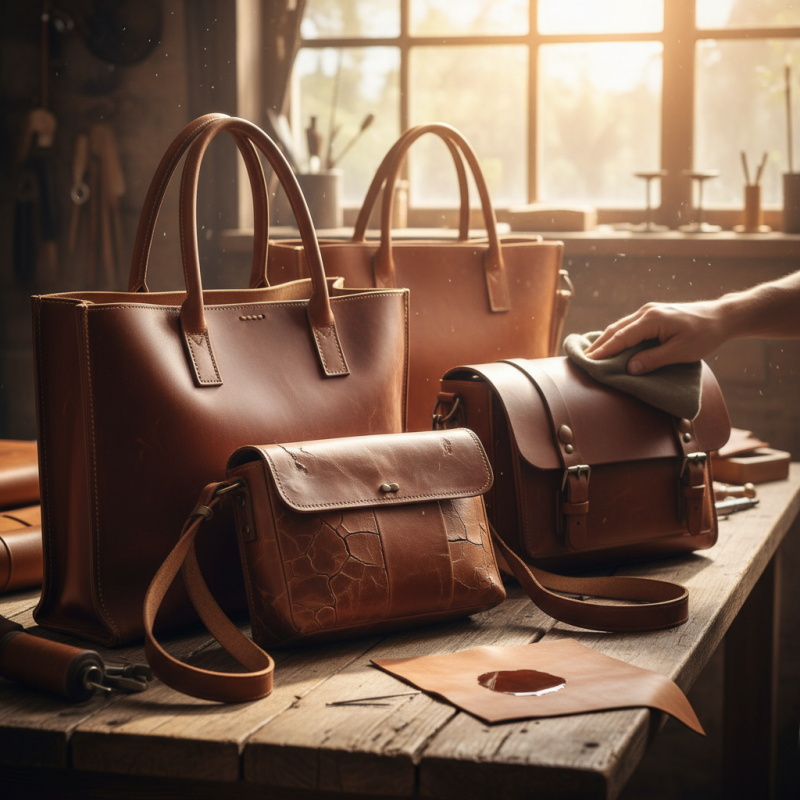
When considering the durability of leather bags, it’s essential to explore the types of leather used. Full-grain and top-grain leathers are renowned for their strength. According to industry experts, full-grain leather retains the natural grain and fibers, offering superior durability. In contrast, top-grain leather is sanded and treated, making it softer but less robust. Reports show that bags made from full-grain leather can last a lifetime if properly cared for.
However, not all leather types provide the same level of durability. For instance, corrected-grain leather, which has an artificial grain stamped onto it, tends to be less durable. This leather does not age as gracefully, showing wear and tear more quickly, leaving customers disappointed. Some users have reported that bags made from corrected-grain leather can show significant signs of damage within just a few years.
Additionally, the tanning process affects leather durability. Vegetable-tanned leather is more environmentally friendly but can be less resistant to moisture. Conversely, chrome-tanned leather is generally more resilient to water, yet may raise concerns about toxic waste. Knowing these differences is vital for consumers looking to invest in a reliable bag. A thoughtful choice in leather type can significantly impact a bag's longevity over time.
: Full-grain and top-grain leathers are recognized for their strength and long-lasting nature.
Full-grain leather maintains its natural fibers, offering better durability than the softer, treated top-grain leather.
Corrected-grain leather tends to show signs of wear and damage more quickly, often disappointing users after a few years.
Vegetable-tanned leather is eco-friendly but less waterproof. Chrome-tanned leather is water-resistant but raises environmental concerns.
Use mild soap and water with a soft cloth. Avoid harsh chemicals that can damage the leather.
Moisturize every six months with cream or wax to keep the leather supple and protect it from damage.
Store bags in dry, breathable places to prevent mold and maintain their shape and longevity.
Overloading can put stress on seams, leading to premature wear and potential damage.
Yes, neglect can result in cracking and fading, reducing the bag's lifespan significantly.
Regular care can mitigate wear and tear, ensuring your bag lasts longer.
When considering what factors affect the durability of leather bags, several key aspects come into play. The type of leather used significantly influences a bag's longevity, with different leathers having varying levels of strength and resistance to wear. Additionally, the manufacturing techniques adopted during production can either enhance or detract from the bag's durability; for instance, quality stitching and finishing can improve longevity.
Environmental factors, such as humidity and exposure to sunlight, also play a crucial role in determining how well a leather bag holds up over time. Proper care and maintenance practices, like conditioning and cleaning, are essential for preserving the material and preventing deterioration. Finally, recognizing signs of wear and tear is critical in deciding when to repair or ultimately replace a leather bag, ensuring it remains functional and aesthetically pleasing throughout its lifespan.

 Minyan Bag