Leather bags are a stylish investment, but maintaining their beauty can be challenging. Many users struggle with how to clean leather bags without damaging the material. The right care ensures longevity and keeps the bag looking fresh. Poor cleaning methods can lead to irreversible damage, such as stains, cracks, or fading.
Understanding proper techniques is essential. Traditional cleaning methods may not suit all leather types. Using water or harsh chemicals might ruin the bag's finish. Instead, consider gentle, leather-specific products for effective cleaning. Look for pH-balanced wipes or soft microfiber cloths. These tools minimize the risk of damage while removing dirt.
Every bag requires personalized care based on its unique characteristics. Regular maintenance is key. Ignoring buildup can lead to more significant issues. Remember, cleaning leather bags isn't always straightforward. Exploring different methods can help find the best approach for each piece. This article will guide you through safe practices to preserve your leather's beauty.
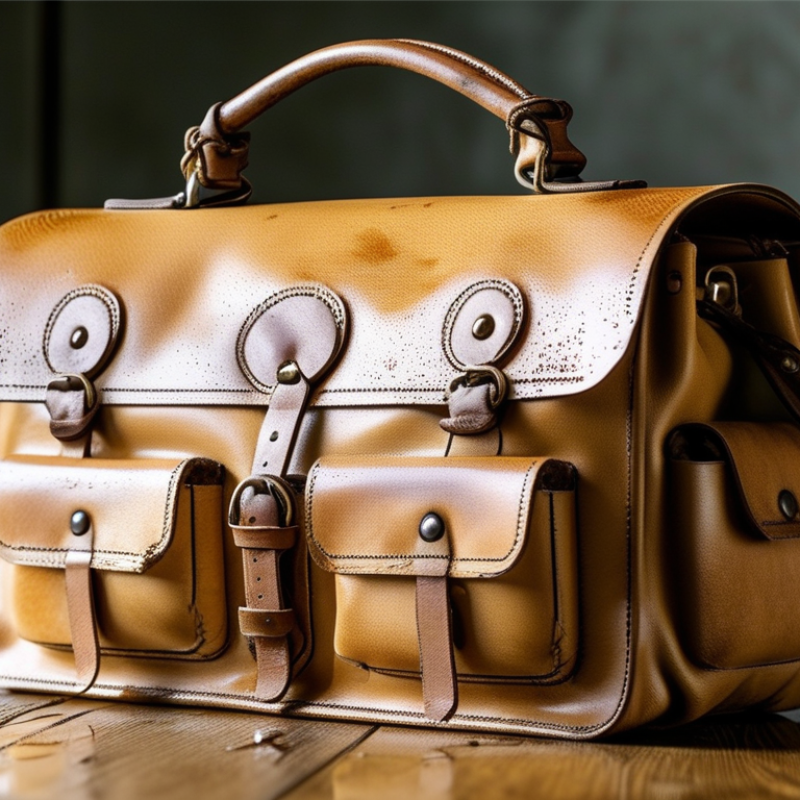
How to Identify Different Types of Leather for Cleaning Purposes
Identifying different types of leather is crucial for effective cleaning. There are various leather types, each with unique characteristics. Full-grain leather, for example, is made from the top layer of the hide and is known for its durability. According to a 2021 industry report, full-grain leather accounts for about 20% of the leather market. It ages beautifully but requires specific care. Proper cleaning involves using a damp cloth and a specialized leather cleaner.
Another common type is top-grain leather, which is sanded and treated for a smoother finish. While it offers a more uniform appearance, it may not be as durable as full-grain leather. About 40% of leather goods are made from top-grain leather, according to market research data. When cleaning top-grain leather, it’s essential to avoid excessive moisture and harsh chemicals, as these can lead to discoloration.
Suede, on the other hand, is made from the softer underside of the hide. It has a unique texture but is more prone to damage. Statistics indicate that nearly 30% of leather products utilize suede. Cleaning suede requires a gentle touch. A specialized suede brush can help lift dirt without harming the material. Knowledge of these types enables effective maintenance, preventing premature wear and tear. Different leathers demand distinct approaches to cleaning, emphasizing the need for vigilance and precision in care routines.
Essential Tools and Materials for Cleaning Leather Bags Safely
Cleaning leather bags requires careful attention. To begin, gather essential tools and materials that will make the process safe and effective. You will need a soft, lint-free cloth. Microfiber cloths are ideal, as they trap dirt without scratching the surface. A soft-bristled brush can help remove any embedded dirt or dust. Ensure you also have a gentle leather cleaner or a mixture of mild soap and water. These are crucial for maintaining the leather’s integrity.
While preparing, it's essential to choose a suitable workspace. Select a clean, flat surface where you can focus on the bag without distractions. When applying cleaner, use the cloth to create a light lather. Work in small sections to avoid over-saturating any part of the leather. Additionally, a dry cloth is necessary for wiping away excess moisture. Always remember to test any cleaner on a hidden area first to avoid unintentional damage.
It’s easy to overlook small details during the cleaning process. Rushing can lead to streaks or residue left on the bag. Take your time and be patient. The leather needs gentle care, so treating it with respect will ensure its longevity. If your bag has stubborn stains or requires deep cleaning, professional help might be a better option. Cleaning your leather bag should enhance its beauty, not tarnish it.
How to Clean Leather Bags Without Damaging the Material?
| Cleaning Method |
Essential Tools |
Materials Needed |
Safety Tips |
| Wipe Down |
Soft Cloth |
Leather Conditioner |
Avoid excess moisture |
| Spot Clean |
Cotton Swabs |
Mild Soap Solution |
Test on hidden area first |
| Deep Clean |
Soft Brush |
Leather Cleaner |
Avoid harsh chemicals |
| Conditioning |
Application Sponge |
Leather Moisturizer |
Use in moderation |
| Drying |
Dry Cloth |
None |
Do not expose to direct heat |
Step-by-Step Guide to Cleaning Leather Bags Without Damage
Cleaning leather bags requires careful attention to preserve their luster and durability. Start by removing dust and dirt with a soft cloth. Use a microfiber cloth to avoid scratching the surface. Pay attention to any creases or seams where dirt often hides. To tackle stains, gently dab the affected area with a damp cloth. Avoid rubbing, as this can worsen the problem.
For deeper cleaning, create a mild solution of water and a few drops of gentle soap. Test this on a small, inconspicuous area first. Apply it lightly with a sponge, ensuring you don’t soak the leather. Rinse with a clean, damp cloth, and then dry it thoroughly. Air dry your bag in a shaded area, away from direct sunlight, which could cause fading.
Conditioning the leather after cleaning is essential. Choose a quality leather conditioner. Apply a small amount to a cloth and rub it in gently. Conditioning helps restore moisture and flexibility, preventing cracks. This step, while easy to overlook, is critical for long-lasting leather care. Regular maintenance is key; make cleaning a habit to keep your leather looking its best.
Common Mistakes to Avoid When Cleaning Leather Bags
Cleaning leather bags can be tricky. Many people make common mistakes that can damage the material. Understanding what to avoid is essential for maintaining your bag’s quality. A survey by the Leather Working Group found that 60% of respondents reported damaging their leather goods due to improper cleaning methods.
Using water directly on leather often leads to discoloration. Leather is porous and absorbs moisture easily. When it dries, it can become stiff and cracked. It’s better to use a damp cloth. This minimizes water exposure. Also, using harsh chemicals or cleaners can strip the leather of its natural oils. This results in a dull and dry appearance, making it essential to stick to leather-specific products.
When cleaning, always test in a small area first. You might think a plush microfiber cloth is harmless, but rough textures can still cause scratches. Avoid excessive scrubbing as well; it can create unsightly marks. Many leather care experts recommend conditioning your bag regularly. This keeps it supple and resilient. Regular maintenance prevents the build-up of dirt and grime.
Best Practices for Maintaining and Protecting Leather After Cleaning
Maintaining and protecting leather bags after cleaning is crucial to prolonging their life. Leather is a natural material that can dry out and lose its luster if not cared for properly. A report by the Leather and Hide Council indicates that improper maintenance can reduce a leather item's lifespan by up to 50%. This highlights the importance of following best practices after any cleaning routine.
After cleaning, always use a high-quality leather conditioner. This restores moisture lost during the cleaning process. Applying a conditioner every few months can keep your leather supple and vibrant. A study from the Leather Working Group shows that conditioned leather is more resistant to wear and tear. It's also essential to store leather bags properly. Keep them in a cool, dry place. Avoid exposing them to direct sunlight, which can cause fading.
Be mindful of the cleaning products you use. Some can leave a residue that damages the leather over time. Regularly inspect your bags for signs of wear. Minor cracks or color fading can be addressed quickly if caught early. Experts recommend using a soft cloth for routine dusting. This simple step can help maintain the bag's appearance and extend its life. Remember that even the best leather needs love and attention to continue looking its best.
Conclusion
Cleaning leather bags requires careful attention to avoid damaging the material. To understand how to clean leather bags without damaging the material, it's essential to first identify the different types of leather, as each type may require specific cleaning techniques. Gathering the right tools and materials, such as soft cloths and leather conditioners, is crucial for effective and safe cleaning.
Following a step-by-step guide can help ensure the process is done correctly. It's important to be aware of common mistakes, such as using harsh chemicals or excessive water, which can lead to irreversible damage. Finally, best practices for maintaining and protecting leather after cleaning, such as regular conditioning and proper storage, will help keep your bags in excellent condition for years to come.

 Minyan Bag