Choosing the right leather material for a project can be daunting. With various types available, understanding them is crucial. According to a recent industry report, global leather goods sales are projected to reach $400 billion by 2025. This growth highlights the significance of selecting the appropriate leather for quality products.
When considering how to choose between different types of leather materials, it’s essential to evaluate several factors. Full-grain leather offers durability and a rich patina over time. In contrast, top-grain leather is processed for a softer feel but may lack some durability. An experienced artisan can help navigate these choices, but it ultimately depends on your project needs and desired aesthetics.
Additionally, some leather types may be less environmentally friendly. Understanding sourcing practices and sustainability issues is vital. As consumers become more conscious, selecting eco-friendly options can also enhance your brand's reputation. Reflecting on these aspects will lead to a more informed decision, ensuring that your choice aligns with project goals and values.
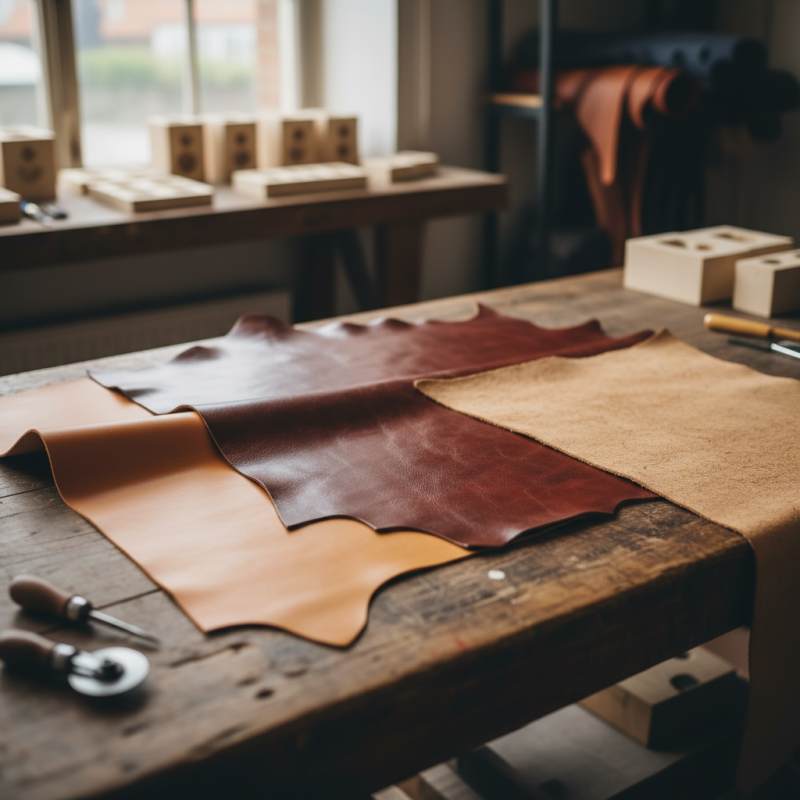
Choosing the right leather material can significantly impact your project. Understanding different types of leather is crucial. Each type has its unique properties. For example, full-grain leather is durable and develops a beautiful patina over time. It retains the natural marks of the hide, giving it character. Top-grain leather, on the other hand, offers a more uniform appearance but is less durable than full-grain.
When deciding on leather, consider its thickness. Thicker leathers provide more structure, ideal for bags or shoes. Thinner options work well for wallets or clothing. Remember that working with certain leathers can be challenging. They may require special tools or techniques. Be prepared to adjust your methods.
Tips: Test a small leather piece first. This helps you understand its flexibility and dye response. Research what others say about your selected leather. Their experiences can provide valuable insights. Don't overlook how leather ages. Some materials may look great initially but could deteriorate over time. Always keep potential downsides in mind while choosing your leather.
When assessing the durability and strength of leather for your project, consider the specific requirements. Different types of leather offer varied levels of resilience. For instance, full-grain leather is known for its toughness and ability to age beautifully. It stands up well against wear and tear. However, its rigidity can be a challenge for certain applications, like clothing.
An alternative is top-grain leather, which balances durability with flexibility. It is more pliable, making it suitable for handbags and jackets. However, it may not withstand heavy abrasion as effectively. Understanding these nuances in leather types is crucial. Think about the project’s lifespan. Will it face heavy use? If so, investing in a sturdier option is wise.
Moreover, anticipate potential issues that may arise during the project. For example, thinner leathers may fray or stretch more than desired. This can lead to unsatisfactory finishes. Reflecting on these factors can guide you in making better decisions. Always remember, leather selection is not just about appearance; it’s about functionality and longevity in your project.
When evaluating the cost-effectiveness of leather materials, it’s crucial to understand the various options available. Full-grain leather, for instance, is esteemed for its durability but often comes with a higher price tag. A study from the Leather Research Institute indicates that full-grain leather can cost up to 30% more than corrected grain leather. However, its lifespan can be triple that of lower-grade options, which may justify the upfront expense.
Split leather offers a more budget-friendly alternative. It is made from the bottom part of the hide and is commonly used for less demanding applications. The average cost is roughly 50% lower than full-grain leather. However, a key drawback is its lower durability and susceptibility to wear over time. Consumers often overlook this trade-off, leading to frequent replacements and higher long-term costs.
Ultimately, evaluating leather options requires not only an analysis of initial costs but also an assessment of longevity and use case. While cheaper leathers might save money upfront, they may lead to greater expenses down the line. Understanding the balance between price and quality is essential for making informed choices in any leather project.
When selecting leather for a project, the finish plays a critical role. Different finishes can influence not only the appearance but also the durability and practicality of the leather. A survey by the Leather Research Institute indicated that 65% of consumers consider aesthetic appeal before quality. This shows the importance of combining beauty with functionality.
Natural finishes, such as aniline, showcase leather's original texture. They age beautifully, developing a unique patina. However, they’re less resistant to stains. On the other hand, pigmented finishes offer a durable surface. They resist fading and are easier to clean. A report from the Leather Goods Association noted that products with pigmented finishes have a 40% longer lifespan in everyday use.
Choosing the right finish is a reflection of practical needs. Blending aesthetic desires with functionality can be challenging. Consider specific uses of the leather. If the item will be frequently exposed to elements, a more durable finish is crucial. Balancing these factors often requires careful consideration and sometimes difficult choices.
When choosing leather for your project, sustainability is crucial. Traditional leather production can have a significant environmental impact. According to the “Leather Working Group” report, the tanning process releases harmful chemicals.
Eco-friendly leather options are gaining traction.
Sourcing sustainable leather involves considering certifications. The “Global Leather Sustainability” report suggests that certified leather reduces environmental harm. Look for options like vegetable-tanned leather. It uses natural tannins instead of harmful chemicals. Studies show that even small shifts to sustainable practices can lower carbon footprints by up to 50%.
Recycled leather is another innovative option. It typically combines leather scraps and polyurethane. This approach minimizes waste and promotes a circular economy. However, the durability of recycled leather can vary. It is vital to assess quality carefully. Sustainable choices are not always perfect but represent a shift toward better practices in the industry.
: There are several types, mainly full-grain and top-grain leather. Each has unique properties and uses.
Full-grain leather is durable and develops a beautiful patina. It showcases natural marks that add character.
Top-grain leather has a more uniform look and is flexible. However, it may not be as durable as full-grain.
Thicker leathers offer more structure, great for bags. Thinner leathers are ideal for wallets or clothing.
Cut a small piece to test flexibility and dye response. This helps you know how it behaves.
Thinner leathers can fray or stretch, leading to disappointing results. Be cautious and plan accordingly.
When considering how to choose between different types of leather materials for your project, it's essential to understand the various leather types and their unique properties. Each type of leather offers distinct durability and strength, making it crucial to assess these factors based on your project's specific needs. Cost-effectiveness is another vital consideration, as different leather options come with varying price points that can influence your budget.
Additionally, the finish of the leather plays a significant role in achieving both aesthetic appeal and functional requirements. For those prioritizing sustainability, exploring eco-friendly leather options and understanding their certifications can help you make an informed decision that aligns with environmentally responsible practices. Ultimately, a thorough evaluation of these aspects will guide you in selecting the right leather material for your project.

Minyan Bag