When choosing a bag, buyers often encounter the question: what is the difference between genuine and faux leather bags? Understanding this difference is crucial for making an informed decision. Genuine leather, crafted from animal hides, exudes luxury and durability. It ages beautifully, developing a distinctive patina over time. However, it carries a higher price tag and raises ethical concerns for some consumers.
On the other hand, faux leather presents an appealing alternative. Made from synthetic materials, faux leather can mimic the look of genuine leather at a lower cost. It is often easier to clean and maintain. Yet, many faux leather products may lack longevity and character, leading to fast fashion waste. Choosing between these options requires reflection on personal values and lifestyle.
Buyers should weigh factors like cost, durability, and ethical implications. The best choice varies for each individual. Ultimately, understanding these distinctions shapes a buyer's experience in the world of fashion accessories.
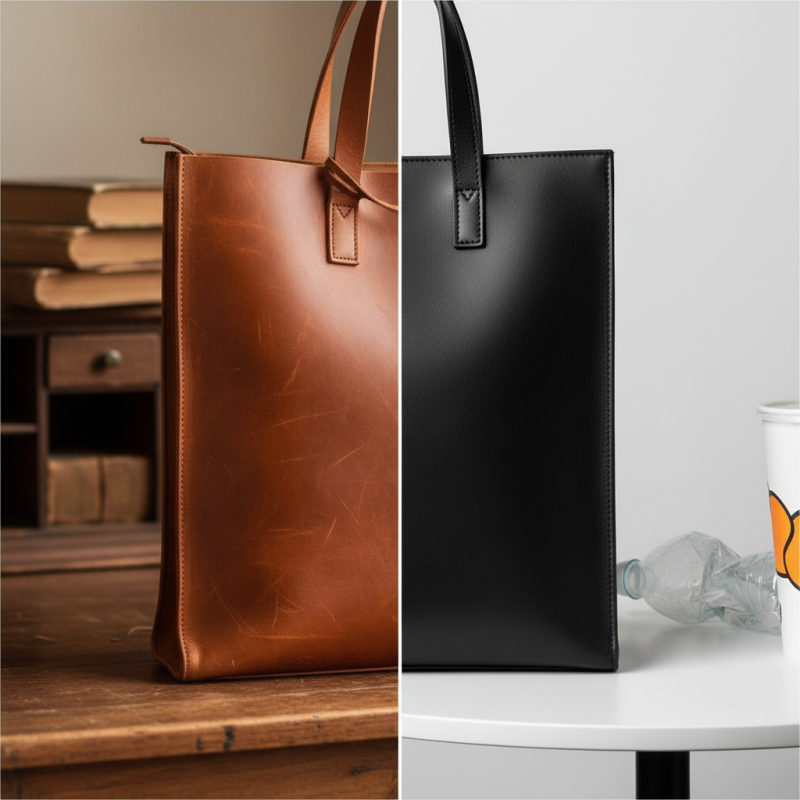
Genuine leather is a premium material known for its unique characteristics. It has a natural look that stands out from synthetic alternatives. The texture is soft yet durable. When you touch genuine leather, it often feels warm and luxurious. Over time, it develops a beautiful patina, enhancing its appeal.
One key feature of genuine leather is its breathability. This means that the material allows air to circulate, making it comfortable to carry or wear. Unlike faux leather, it does not trap moisture, contributing to longevity. However, it requires proper care. Neglecting to clean or condition genuine leather can lead to cracks or dullness.
Buyers should be aware of the scent associated with genuine leather. It has a distinct smell that synthetic materials lack. While genuine leather stands out, there are drawbacks. It can be more expensive and less uniform in appearance than faux options. Some may find imperfections charming, while others prefer a flawless look. Balancing budget and quality is essential when choosing between genuine and faux leather.
: Genuine leather has a natural look and soft, durable texture. It feels warm and luxurious.
It develops a beautiful patina, enhancing its appeal as it ages.
Yes, genuine leather allows air circulation, making it comfortable to wear or carry.
Neglect can lead to cracks or dullness, affecting its appearance and longevity.
Check the label for material info, texture, and stitching quality. Genuine leather has tighter stitches.
Common types include polyurethane (PU), polyvinyl chloride (PVC), and microfiber, each with unique features.
Genuine leather is long-lasting, while faux leather is more prone to scratches and fading over time.
Yes, some faux leather options can surprise you with their durability, though they may not age like genuine leather.
Assess your lifestyle needs and how often you'll use the item, balancing budget and quality expectations.
Genuine leather has a unique scent that synthetic materials lack, contributing to its authentic appeal.
The article "China Best Genuine vs Faux Leather Bags What Should Buyers Know?" delves into the crucial distinctions between genuine and faux leather bags. It begins by outlining the characteristics and features of genuine leather, highlighting its durability and natural appeal. In contrast, it explains the various types of faux leather, including materials like polyurethane and vinyl, which offer different aesthetics and price points.
A key focus is on comparing the durability of both materials, with genuine leather typically lasting longer but often at a higher cost. The article also discusses what buyers should expect regarding price variations and examines current trends in China's leather bag market, reflecting consumer preferences and insights. Ultimately, it addresses the question of "What is the difference between genuine and faux leather bags?" providing valuable information for informed purchasing decisions.

 Minyan Bag